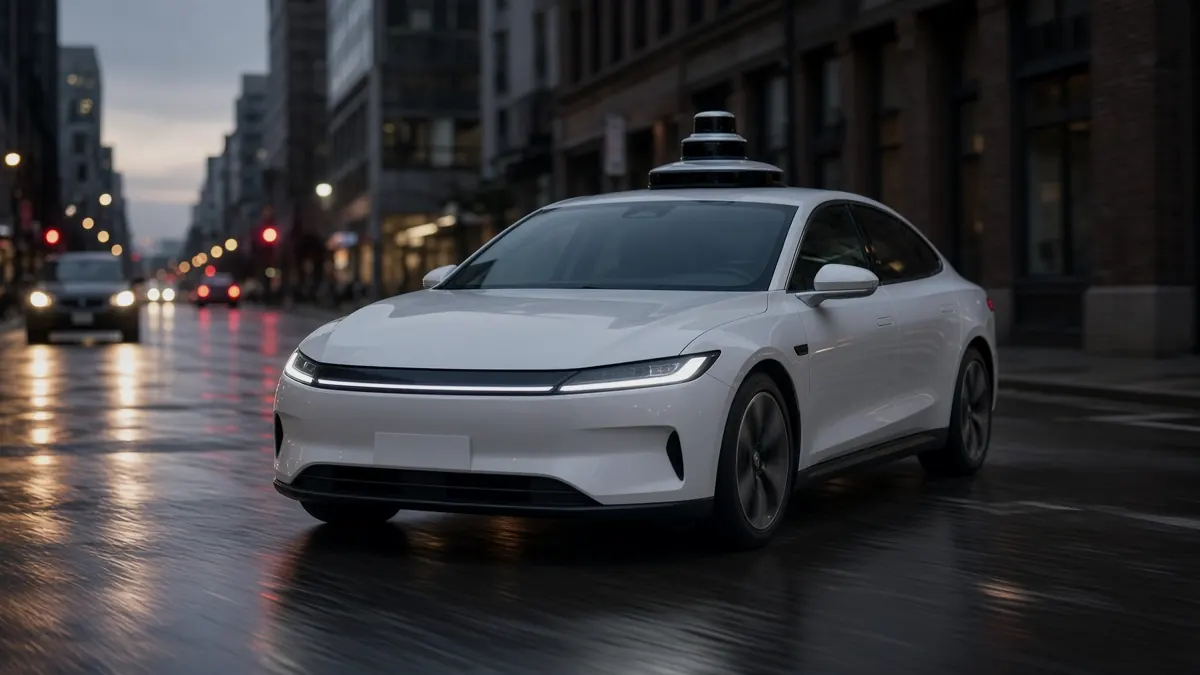
Paid robotaxi rides in Singapore are a 2028 product, not a 2026 one. Waymo, the Alphabet-owned company, said it will start a commercial service that year as it keeps looking past US cities. Vehicles are supposed to arrive in "the coming months." The year in between is not a victory lap.
The Verge reported the sequence the company wants understood: cars first, mapping and autonomous tests with a human safety driver still in the seat through 2027, fares last. Anyone who has watched Waymo enter Phoenix or San Francisco has seen this movie. The new part is the country.
Mapping year, then a meter
Safety drivers in the seat are the tell. This is still a test program. Waymo is giving itself the rest of this year plus all of 2027 to learn Singapore's roads before it tries to charge for a trip. That gap between a truck unloading cars and a passenger paying is the real timeline.
Fleet size did not come with the announcement. Neither did fares, nor which neighborhoods get coverage. Those details usually arrive after mapping vans have been out long enough for the software to show where it still hesitates. Until then, every render of a robotaxi on Orchard Road is a logistics photo.
How Waymo actually opens a city
The company started as Google's self-driving car project and took the Waymo name in 2016. Paid rides in the Phoenix area began in 2020. San Francisco and Los Angeles followed after years of grinding through permits, unions, and footage of vans frozen at intersections. Austin was added as Waymo looked for US cities that would tolerate the hardware.
Overseas has been slower. GM's Cruise had a brutal 2023 in San Francisco and never became the global network it advertised. Tesla has sold a driver-assistance story rather than a true robotaxi service. Baidu's Apollo Go put robotaxis on Chinese streets at a scale US firms have not matched at home. The international map is still a handful of cities.
Singapore is a logical target on paper. The city-state began testing automated vehicles in the mid-2010s, including early work by nuTonomy, and built a dedicated centre at CETRAN. It is small, heavily mapped, and serious about enforcement. It is also humid, full of motorcycles, and unforgiving about rain. Waymo's American cities taught it downtown chaos. They did not teach it a tropical downpour on an expressway at rush hour.
A long window that rivals can use
Two years of mapping is a long invitation. Local operators, Hyundai-linked projects, and Chinese AV firms can try to lock up depots and partnerships while Waymo is still drawing lanes. Singapore likes to pick winners with policy. Naming the city is not the same as naming the streets.
Other slow hardware launches work the same way, and the comparison is not flattering. Tovala will sell you an oven that sits idle unless the meal kits keep coming. The car-without-a-fare is the same trap: expensive metal waiting on software.
Valve is still explaining how Steam Frame will split streaming and standalone, which is another way of saying the ship date is not the product date. Even Stephen Curry's next Li-Ning signature shoe is dated early next year, not next week. Waymo's 2028 is that kind of date. Named. Distant. Easy to slip.
Permits, depots, and insurance will matter as much as the stack. Waymo did not name a local operating partner in the account that circulated. In other markets those names have been half the story.
What to check before you believe 2028
Photos of mapping vehicles are a weak signal. Job listings for safety drivers and Land Transport Authority notices are stronger. If 2027 test routes stay on a handful of corridors, the 2028 launch will be a downtown boutique. If the maps spread into housing estates and the airport run, people might use it twice a week.
Look for a fare product and a coverage map in late 2027, not a surprise app drop the week paid rides begin. A safety driver still in the seat next year means the meter is not running. Waymo has named Singapore. It has not yet said where you can stand on a curb and actually get in.