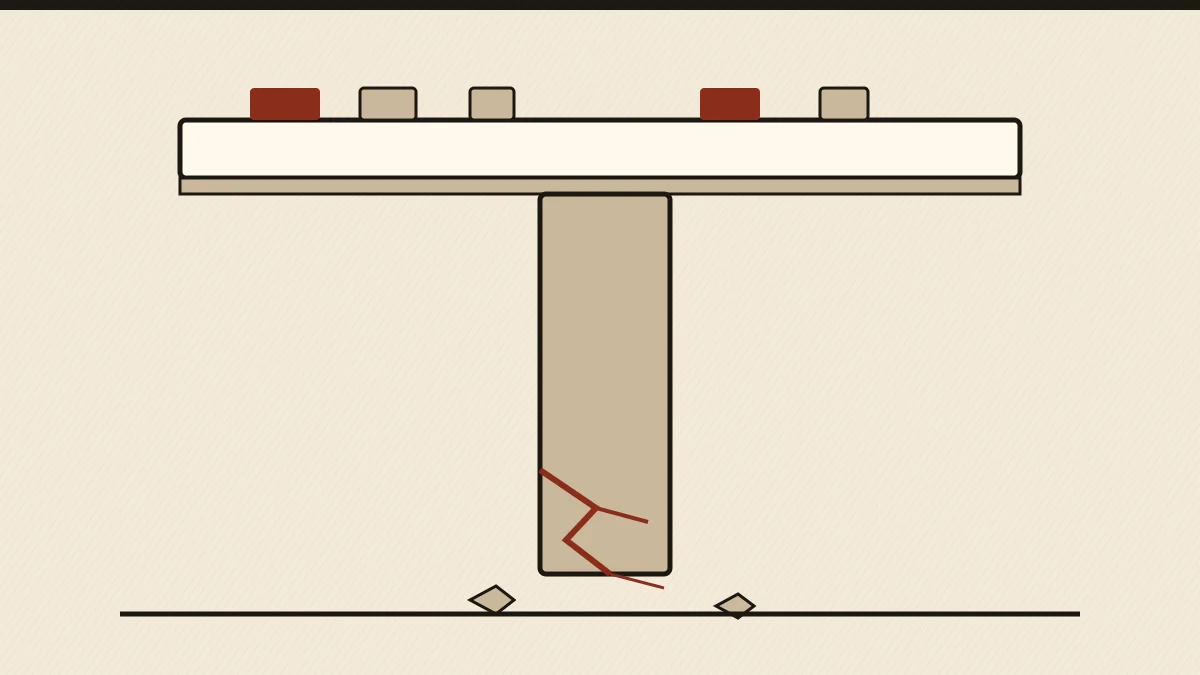
International Monetary Fund managing director Kristalina Georgieva said Monday that the global economy is “standing on one leg on the AI leg,” and that if that leg wobbles the result is a financial stability problem. Speaking to CNBC's JP Ong at the Association of Southeast Asian Nations summit in the Philippines, she put circular financing among AI companies at a little over $1 trillion, two thirds of it funded by debt.
Circular financing is the arrangement where money invested in an AI company returns to the investor through purchase orders, so the same dollar appears as revenue on one set of books and as demand on another. Georgieva called the total substantial in its growth rate rather than its size, and said a sudden drop in investment confidence would weaken growth, because AI spending is currently doing much of the work that consumer demand and trade used to do.
The concentration is the problem
The IMF raised its 2026 global growth forecast to 3.1 percent in October, and a large part of that revision rests on AI capital spending. Capital Economics estimates that as much as 80 percent of the recent expansion in global exports is concentrated in AI-related goods, which is an unusual dependence for a category that did not exist as a trade line three years ago.
Nvidia sits at the centre of the financing arrangements, having committed hundreds of billions in guarantees and equity to the customers who buy its accelerators. Its shares have lost more than a trillion dollars of value over the past month, and UBS analyst Tim Arcuri estimated in a recent note that an Nvidia pullback from financing could remove $50 billion or more from the system at a moment when higher rates have already made corporate borrowing more expensive. The stock has now fallen for six straight weeks, which is the market pricing that risk before any of the guarantees are called.
What the downside case looks like
The IMF laid out its own stress case in October: if AI fails to deliver on the expectations baked into valuations, US equity prices could fall 20 percent in 2026, and global output could end up 1.1 percent below baseline by 2028. That is a recession-sized hit delivered through a single sector, and it would arrive through wealth effects and tighter credit rather than through anything that looks like a bubble popping in one afternoon.
Georgieva characterised the recent swings as orderly and unlikely to undermine the world economy, while urging vigilance. The distinction she drew is worth keeping: an orderly repricing is the market correcting expectations that ran ahead of what the technology has delivered, and a disorderly one is when the financing structures themselves stop working. The second is what the $1 trillion figure measures, and it is why the IMF is watching the debt share rather than the headline number.
Two events this week will test the argument. Nvidia reports earnings, and Anthropic lists on Nasdaq, which together cover both the supplier of the compute and one of its largest customers. If the financing chain holds through both, the one-leg economy stands for another quarter. The IMF's point is that nobody has yet run this experiment at this size, so the first sign of trouble will show up in credit spreads rather than in the equity indices everyone watches.