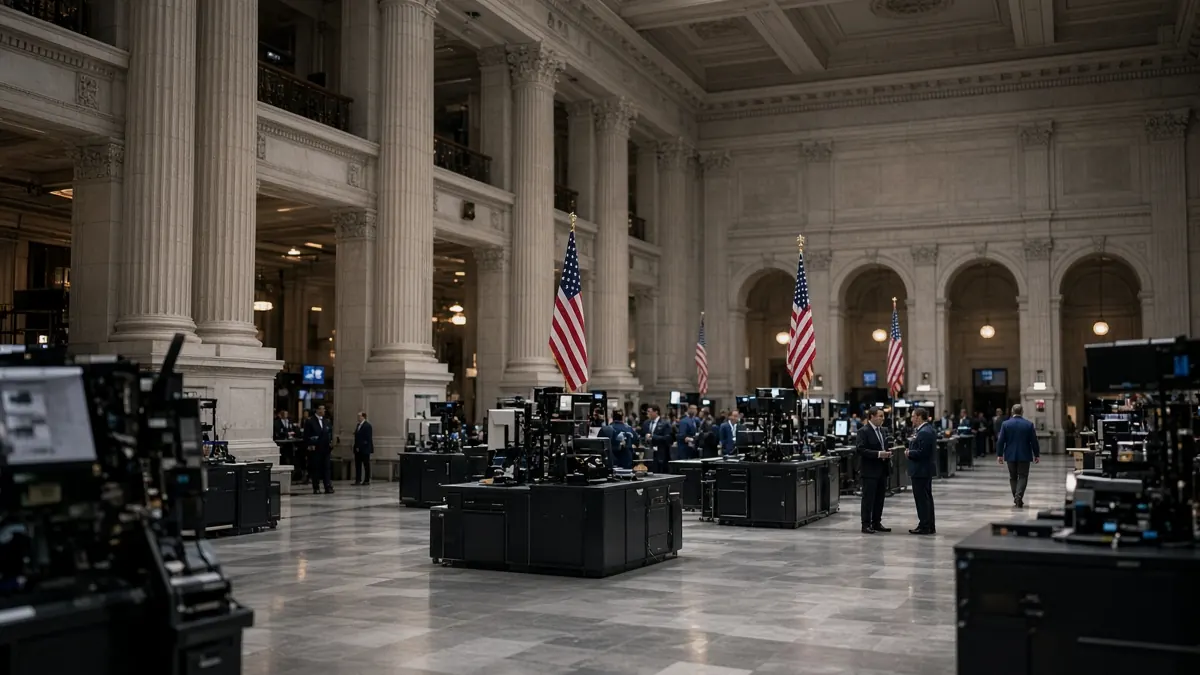
Stocks staged a comeback on Thursday, one day after the Federal Reserve raised rates by a quarter percentage point and indicated that another increase could follow. The bounce was a recovery session. It was not a reversal of the policy decision.
Wednesday's event was the first Fed hike since 2023. Officials tightened by 25 basis points and left the door open to more. Equity traders bought the dip the following day. That is a timing story. The path is still higher, not easier.
Twenty-five basis points, then a bid
A quarter-point step is small as arithmetic. It is large as a signal when it ends a multi-year stretch without hikes and when the statement keeps another one alive. Investors had 24 hours to decide whether Wednesday was a one-and-done shock. Thursday's buyers voted that the shock is now known, and that known tightening is tradable.
CNBC's Friday preview treated the unfinished business as the policy path, which is the right ranking. The extra hike language still hangs over the next session. A one-day rebound does not settle whether a second move is fully priced.
Households do not mark to the bounce. Mortgage quotes, auto loans, and card APRs reprice off the policy rate and off the Treasury curve that moved with it. A stock market that buys the dip is betting financial conditions will not tighten as much as the statement implied. If that bet is wrong, the rebound is inventory.
The companion account of the first hike since 2023 is the fundamental. Thursday is the reaction function. Do not mix them up in a portfolio.
This is a turn, not a 2022 rerun
From 2022 into 2023 the Fed lifted rates at a pace not seen in a generation, then stopped. Cuts followed later as inflation cooled from its peak. By this year the public argument had shifted to how soon borrowing costs would fall. Wednesday answered with an increase instead.
Mortgage applications and auto-loan origination are where a quarter-point-plus-another-one actually shows up for people who are not trading index futures. A 25 basis-point step does not reprice every existing 30-year loan. It does reprice the next quote. That is enough to freeze a purchase that was already on the edge, which is how a small hike becomes a housing-and-car story even when equities green-up the next morning.
Compared with the 2022, 23 campaign, this move is slower and smaller. It is still a change in direction. Markets positioned for easier policy got a committee willing to hike first. Thursday's buying does not erase that surprise. It prices the idea that you can live with it for a day.
The 2023 analog for this tape is familiar: sell the decision, buy the next session, wait for the next print. That pattern is not a forecast that the second hike gets cancelled. It is a forecast that people like round numbers and hate sitting in a hole overnight.
Credit-card issuers and other rate-sensitive consumer names, including Chase's anniversary push on Sapphire Reserve, will feel the path through funding costs and through what households can still carry. A points promo does not hedge a second hike.
BRICS talk about using local currencies will not set Friday's open. The Fed will. Dollar funding conditions still start in Washington, not in a communiqué.
Friday tests whether Thursday was a real bid
Going into the next session, the calendar is still about how far officials intend to go after the quarter-point increase. Thursday showed buyers willing to step in after the initial reaction. It did not take the additional hike off the table.
Watch the next FOMC date, not the overnight futures wiggle. Language on another increase will be repeated, strengthened, or quietly dropped. Inflation prints between now and then keep the second hike alive if prices stay above the 2 percent goal the committee cites.
Payrolls and consumer-price releases between meetings have been the actual hiking calendar for four years. One green equity session does not rewrite that. If you are a household with a car loan coming due or a rate lock that expires this month, Thursday's bounce is entertainment. The 25 basis points are the bill.
The equity rebound can coexist with still-rising borrowing costs. That split is the one that hurts households. Friday is the immediate test of whether Thursday was a genuine bid or a short-covering pause. The Fed has already spoken for the week. The market has not finished answering.