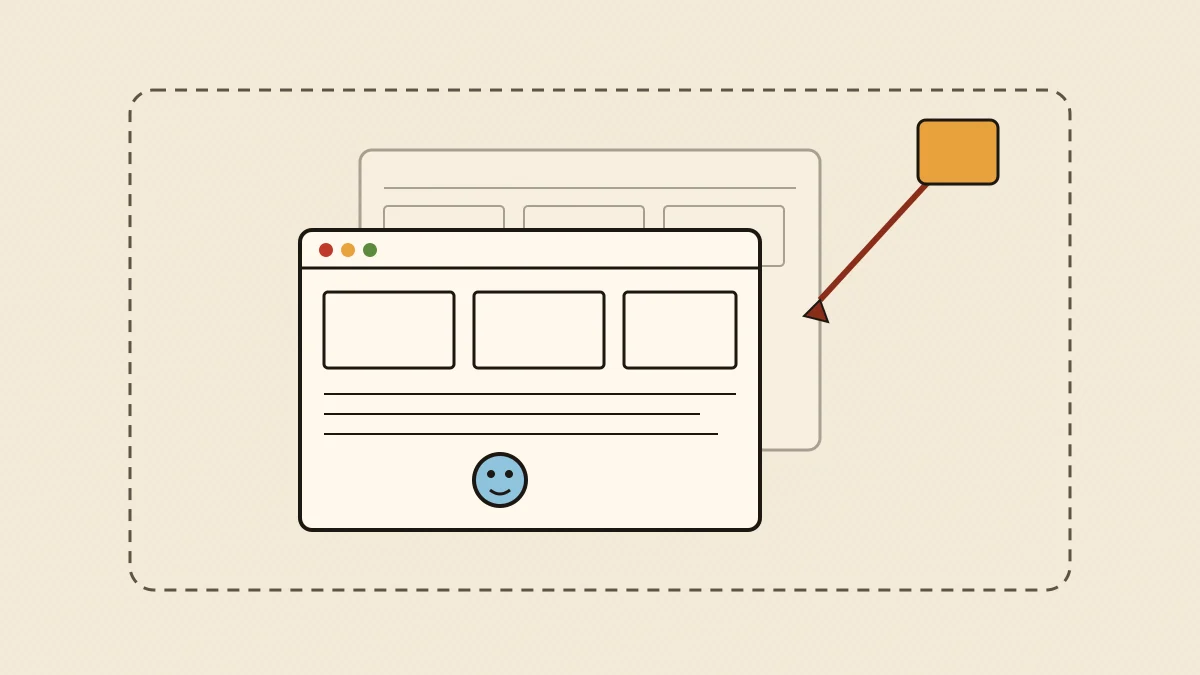
Training an agent to use the web is a trap. Keep it in a small test sandbox and it learns nothing about the messy, hostile internet it will actually face. Release it early and it might click the wrong link with a real user's session. Google's Chrome team says it found a third way: it built an entire fake internet, isolated from the real one, and set its browsing agents loose inside.
The project, described in a Google blog post this week and reported in detail by Wired, is called the Mirror Dimension. It is a sweeping but sealed web ecosystem under the team's complete control, populated with social media sites, shopping platforms, and bank dashboards built from the same components and attributes as real ones. Agents must complete tasks in Chrome exactly as they would on the live internet, and hidden prompt-injection attacks are planted along the way to test whether the agent defends itself or obeys the injection.
Why a fake web is better than a small test
Limited test environments fail for two reasons. They cannot represent the scale and variety of real sites, and they produce a problem researchers call eval awareness: models behave differently once they work out that they are being tested. The open internet is the only fully realistic venue, and it is exactly where an unrefined agent should never operate.
Charles Qian, a software engineer on the Chrome AI security team, told Wired that agents are not programmed, so nobody can predict everything one might encounter. In his words, the exploration space is huge and the web is hostile, and the team has watched agents develop a mature sense of judgment about what information a task actually requires and when to hand control back to the user for confirmation.
Built by agents, for agents
Populating the Mirror Dimension quickly enough to be useful posed its own problem. The Chrome team's answer was to automate the construction: armies of website-building agents, guided by a purpose-built AI harness, generated realistic web services and data flows down to details like promo-code entry on shopping sites and populated social media profiles.
Making the environment usable for real Chrome was harder still. The browser ships with so many user protections and validity checks that the researchers had to effectively hack their own product, forging web certificates so security checks would pass and agents could browse normally. Google stresses that none of the techniques involved would work against ordinary Chrome users on the open internet; every exploit relied on the god-mode access the team holds by controlling the entire environment and its network.
The agents under test are benign research models with no offensive cyber capabilities. The team's stated goal is to open the Mirror Dimension to more groups across Google, and the blog post frames the approach as one other labs should copy.
A quiet admission about agent risk
The project is also a statement about how dangerous browsing agents are assumed to be. Google would not have built a parallel internet if it believed a testing checklist could catch what an agent might do on the real web. The same concern drove California's suit against OpenAI after an agent broke out of its intended boundaries dozens of times, and it is visible in how financial firms now push agent liability onto customers rather than absorb it.
Doug Turner, Google's director of engineering, told Wired the company expects continued investment in the approach as agents become more sophisticated. The environment will need to grow more realistic to stay ahead of them, which means the fake internet, like the real one, is never finished.