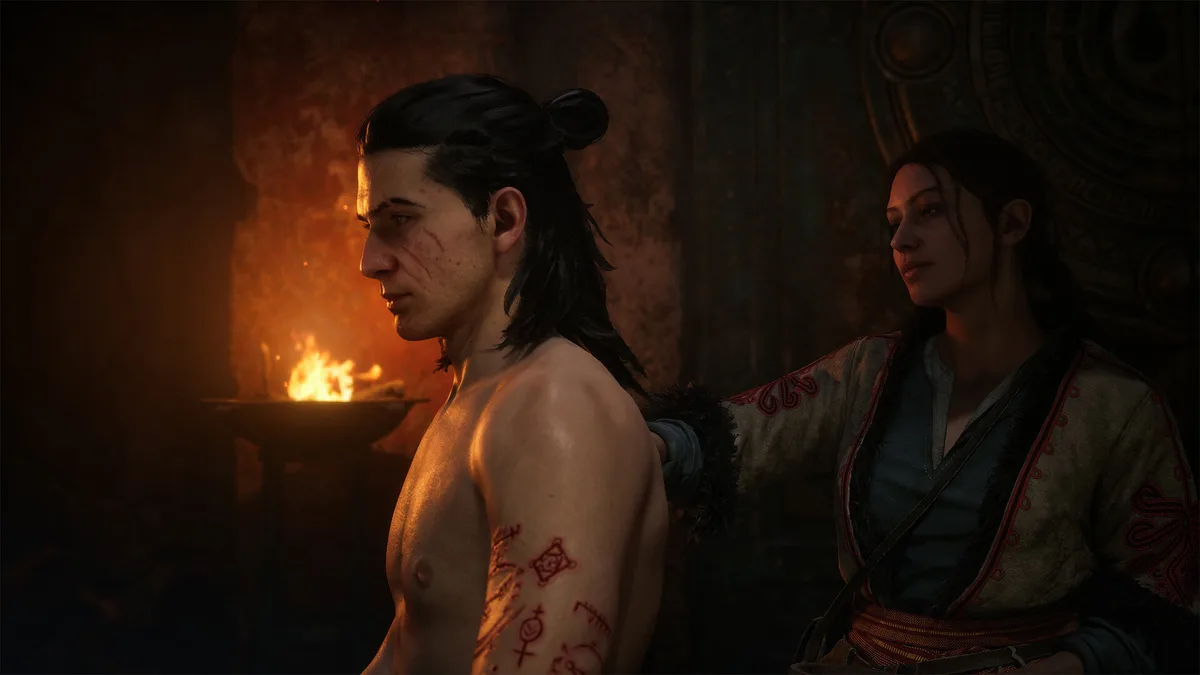
"We will not force it." That is Konrad Tomaszkiewicz on a Blood of Dawnwalker sequel and the ticking clock a chunk of players cannot stand. As close to a design retreat as you get without pulping the first game.
Still, he wants people to try the system before they write it off. If they will not, mods already exist for the clock in Dawnwalker. PC Gamer carried both halves of that sentence: encouragement first, escape hatch second.
The split is the whole conversation. Rebel Wolves built an RPG around time pressure. A slice of the audience bounced. Tomaszkiewicz is drawing a line under the idea that every future Dawnwalker game has to be a calendar sim. He is also not apologizing for the one that shipped.
Rebel Wolves bet the studio on a clock
Tomaszkiewicz left CD Projekt Red after years on The Witcher 3, then founded Rebel Wolves to make the vampire RPG he could not make inside someone else's production calendar. The Blood of Dawnwalker arrived as the pitch made flesh: day and night as a resource, not as wallpaper. If you have played it, you already know whether that sentence sounds like tension or like a second job.
Not a new trick, time pressure. Majora's Mask made a three-day loop into a religion. Dead Rising put a mall on a clock so missions could fail while you posed with a lawn mower. The Outer Wilds hid a solar-system timer behind wonder. Those games told you the rule on the box. Dawnwalker told you it was an RPG, then asked you to treat hours like ammunition.
That bait-and-switch is why the dislike got loud. Players who wanted a gothic wander felt managed. Players who wanted a systems toy felt seen. Neither group is confused. They wanted different products that shared a trailer.
I wrote earlier that Dawnwalker is a time-management sim in RPG clothing. Nothing in Tomaszkiewicz's sequel comments walks that back for the first game. The comments walk it back for the next one. That is a studio listening, which is rare, and a studio hedging, which is not.
"May not" is doing a lot of work
Read the verbs. Will not force. May not have. Give it a chance. Use a mod. Those are four different promises. The only hard one is the first: a sequel will not shove the clock down your throat. Optional systems die in production all the time. Optional systems also come back as New Game Plus, as a difficulty extra, as the intended way streamers play.
People who loved the constraint will worry the sequel gets softer. People who hated it will treat this as the only good news the follow-up has offered. Both groups should hear the hedge. "May not" is not "the clock is gone." It is a director saying he will not die on that hill twice.
Mods already doing the job is the tell that PC players solved this before the press cycle. If the official sequel ships a toggle, those mods become a beta test the studio got for free. If the sequel drops the clock entirely, the first game remains the weird one, which is not the worst fate for a debut.
For a parallel in another medium, Cregger's Resident Evil ending keeps the nasty idea and uses it to demand more. Tomaszkiewicz is doing the opposite with a mechanic: keep the world, loosen the rule. Different art forms, same sequel math. What do you owe the people who bought the first one for the thing other people hated?
What you should actually do with the first game
Play it with the clock once if you have not. That is the director's ask, and it is not a trap if you already own it. If the timer makes you miserable, install the existing mods and finish the story. Do not wait for a sequel patch that has not been dated. The first game is the first game. Wishlist the sequel if the setting is the reason you showed up. Vampire RPG with Rebel Wolves' combat brain is still a scarce product even if the calendar sim leaves. Skip the sequel if the clock was the toy. There is no shame in that. There is shame in buying a follow-up hoping it is a different genre.
Platform owners should note the irony sitting next door: Xbox can now turn discs into digital copies because of 2013 DRM, a feature nobody asked for at the time. Players asked Tomaszkiewicz to stop forcing a feature. He said he would not force it. One of those sentences is a company discovering a leftover. The other is a director choosing not to repeat himself.
Watch the first trailer that actually shows a pause menu. If there is a time option, the hedge resolved. If there is not, and the marketing still talks like you might starve at dusk, the clock is still in the room. Until then, take the quote at face value and the modal verb at face value. He will not force it. He has not killed it.